Expert Insight:
According to SOFTSWISS (www.softswiss.com), responsible gambling has shifted from a secondary concern to a top priority for operators, players, and regulators, as modern players demand not just entertainment but a secure and safe gaming experience: https://www.softswiss.com/knowledge-base/responsible-gambling-guide/. The guide emphasizes that although limiting players for mental health reasons may seem daunting to operators, responsible gambling ultimately serves as a powerful business tool to build a loyal audience, strong market reputation, and good regulatory relationships. (www.softswiss.com)
Sports betting can be exciting, social, and skill‑based, but it also comes with real risk. Mobile apps, in‑play markets, and 24/7 access make it easy to lose track of time, money, and emotion. That is exactly why responsible gambling tools exist: to put you in control before betting controls you.
Modern sportsbooks and casinos are expected to follow responsible gambling guidelines similar to those outlined in industry guides from providers like SOFTSWISS and compliance specialists. These frameworks emphasize:
This article focuses specifically on how self‑exclusion, limits, and cooling‑off periodswork in sports betting, how to recognize when you should use them, and how to combine them with other safety steps (like secure apps and VPNs) to protect yourself from problem gambling.
Before you can use self‑exclusion or limits effectively, you need to recognize when sports betting is drifting from entertainment into risk. Responsible gambling research highlights several common warning signs:
If any of these apply to you, it is time to treat sports betting like a health and financial risk, not a harmless game. Self‑exclusion and limits are not punishments; they are tools to protect you from long‑term damage and to restore control.
It is also worth noting that problem gambling does not only affect one age group. Surveys from regulators such as the UK Gambling Commission show that involvement in gambling is widespread across demographics, so anyone who bets on sports can be at risk if they ignore these early signs.
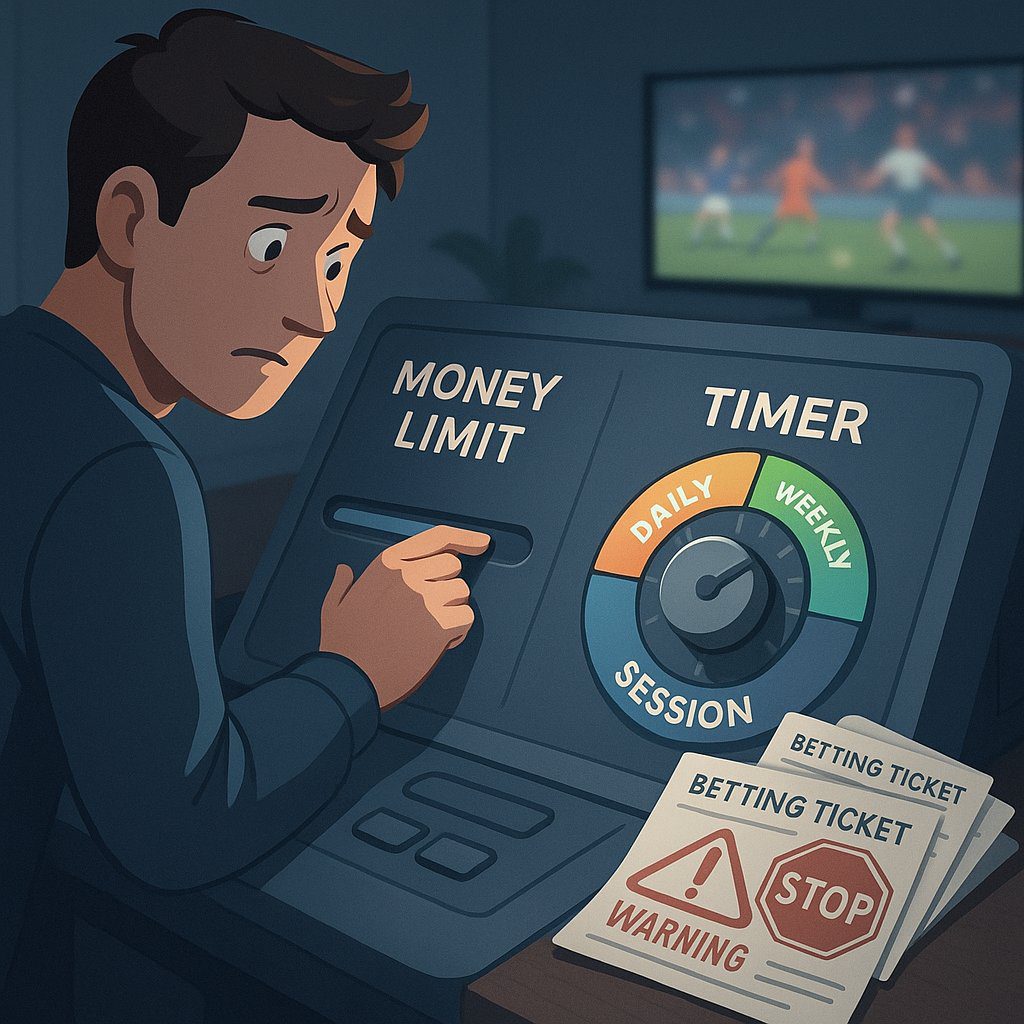
Betting limits are your first and easiest line of defense. They cap how much money and time you can commit to sports betting before you even place a wager. Most reputable operators and sports betting apps offer several types:
To use limits effectively:
Guides from responsible gambling specialists and compliance blogs consistently stress: these tools work only if you take them seriously. Treat your own limits like the house edge—non‑negotiable and always in force.
Limits keep everyday sports betting under control, but sometimes you need a clean break. This is where cooling‑off periods and self‑exclusion come in. They are related but serve different purposes.
Cooling‑off periods
are short, temporary time‑outs you can activate directly in your sports betting account. Typical options include:
During a cooling‑off period, you generally cannot deposit or place bets, though you may still be able to withdraw your balance. Use cooling‑off when:
Self‑exclusion
is much stronger. It is designed for people who feel their sports betting has become harmful or very hard to control:
In regulated markets, self‑exclusion can sometimes apply across multiple licensed operators through a central scheme, rather than just one betting site. Responsible gambling frameworks, like those discussed in compliance and regulatory guides for sports betting apps, encourage operators to make self‑exclusion highly visible and simple to activate.
When to choose which:
Most importantly, once you activate a cooling‑off or self‑exclusion, do not try to bypass itwith new accounts, different devices, or other operators. Use that break to reassess your relationship with sports betting, and if necessary, speak with a counselor or local support service specializing in gambling harm.
Responsible sports betting is not only about how much you wager. It is also about whereand howyou bet. Security breaches, unregulated sites, and privacy leaks can turn an already risky hobby into a serious threat.
Several industry resources on sports betting app security and responsible gambling highlight key steps you should take:
Some bettors use privacy tools like VPNs to secure their connection, reduce tracking, or protect data from snooping. As explained in articles such as how a VPN can help you enjoy sports betting safely, a VPN can:
However, a VPN does notreplace responsible gambling tools. You must still respect regional laws and operator terms—never use a VPN to access illegal sites or bypass self‑exclusion schemes.
Finally, be mindful that a highly gamified environment—live odds, cash‑out buttons, instant same‑game parlays—can encourage impulsive behavior. Sites such as Monster Roster and other online gaming platforms show how data and analytics can be used to make smarter, more measured decisions; combine that rational approach with strict limits so you do not slide into riskier patterns.
To truly protect yourself from problem gambling, you need a long‑term framework, not just emergency brakes. Combine the tools discussed above with practical behavioral habits and the right betting environment.
Consider this step‑by‑step plan:
If you want to explore sports betting in a structured, lower‑risk way with an emphasis on education, analysis, and safety, platforms like BookieBirdcan help you compare operators, understand odds, and learn how to keep control over your betting behavior from day one.
Remember that responsible gambling is a shared responsibility. Reputable operators, software providers, and regulators are increasingly building in protections—but you still need to actively use them. Doing so not only protects your finances and mental health; it also helps keep sports betting sustainable and enjoyable for the long term.
Sports betting is safest when rules and tools—not emotion—decide what you can and cannot do. Limits, cooling‑off periods, and self‑exclusion give you a structured way to protect yourself from problem gambling before it escalates.
Use betting limits to control everyday risk, cooling‑off periods to reset when you feel pressure or tilt, and self‑exclusion when you recognize serious harm or loss of control. Support these with secure, regulated apps, good cybersecurity habits, and honest self‑reflection about why and how you bet.
Done right, responsible gambling does not reduce the fun of sports betting; it preserves it. When you know that your money, time, and wellbeing are protected, you can enjoy the game itself—without gambling taking over the rest of your life.
Q:
What’s the difference between a betting limit, a cooling‑off period, and self‑exclusion?
A:Betting limits restrict how much time or money you can spend within a set period. A cooling‑off period temporarily blocks your ability to bet but usually lets you keep your account open. Self‑exclusion is the most serious step, locking you out of betting for a longer, pre‑set time that you can’t easily reverse.
Q:
How do I decide what deposit or loss limits to set on my betting accounts?
A:Start by looking at your monthly budget and choosing an amount you can genuinely afford to lose without affecting bills or savings. Convert that into weekly or daily limits and apply them across all apps you use. Review and adjust these limits regularly if they start to feel uncomfortable or too easy to reach.
Q:
Can I self‑exclude from all sportsbooks at once, or do I have to do each one individually?
A:Many regions offer multi‑operator self‑exclusion schemes that cover all licensed betting sites and venues in that jurisdiction. If that’s not available where you live, you’ll need to activate self‑exclusion separately on each app or website. Combining operator tools with device‑level blocking software can help create more complete protection.
Q:
What are some early warning signs that I should take a cooling‑off break from betting?
A:Key signs include chasing losses, hiding your betting from others, feeling stressed or guilty after wagering, or needing bigger stakes to feel excited. If betting is affecting your sleep, mood, work, or relationships, a short cooling‑off period can help you reset. Use that time to review your habits and decide on stricter limits if needed.
Q:
How can I keep my responsible betting plan consistent across multiple devices and apps?
A:Use the same deposit, loss, and time limits on every betting account you have, and note them in a written or digital plan. Turn off quick‑deposit features, enable account history and alerts, and consider blocking or filtering software on all your devices. Check in with yourself weekly to see if you’re sticking to your rules or need stronger protections like longer exclusions.

% No Bonus

100% 50% first deposit

100% X

100% X
100% X
No Bonus
50GBP
n/a
X
X

X
50% first deposit
X

X
X
The Rugby League World Cup 2025 is set to be one of the most exciting events in the rugby league calendar. With teams from around the world competing for the prestigious title
Discover the Pinnacle Sports difference—a sportsbook that caters to serious bettors looking for the best odds and highest limits. Pinnacle Sports stands apart in the competitive world of online spor
nowadays, a new type of payment is being used called bitcoin. it revolutionized how people can send money without any barriers or high fees. because of that, bitcoin casino is becoming very famous for
 Neteller was founded in 1999 providing businesses and individuals with the most attractive online payment system.and regulated by the Financial Services Authority in the UK
GamblingNETELLER is the best online
Neteller was founded in 1999 providing businesses and individuals with the most attractive online payment system.and regulated by the Financial Services Authority in the UK
GamblingNETELLER is the best online


